In recent years, artificial intelligence has quietly revolutionized countless industries, and recreational boating is no exception. From intelligent navigation systems to predictive maintenance and enhanced safety features, AI technologies are making leisure sailing more accessible, enjoyable, and secure than ever before.
Smart Navigation: Beyond Traditional Charts
Modern AI navigation systems are transforming how we plan and execute sailing journeys. Unlike traditional GPS and chart plotters, AI-powered navigation can analyze real-time weather patterns, current data, and vessel performance metrics to recommend optimal routes. These systems continuously learn from each voyage, improving their accuracy over time.
Advanced platforms can now predict wave patterns and suggest course adjustments to maximize comfort or minimize fuel consumption. For racing enthusiasts, AI can analyze historical performance data alongside current conditions to recommend tactical decisions that might give you the competitive edge.
Predictive Maintenance: Preventing Problems Before They Occur
One of the most promising applications of AI in recreational boating is predictive maintenance. By installing sensors throughout the vessel’s critical systems, AI algorithms can monitor engine performance, electrical systems, and structural integrity in real-time.
These systems detect subtle patterns that might indicate potential issues long before they become serious problems. For example, slight changes in engine vibration patterns might suggest maintenance is needed weeks before a traditional inspection would catch the issue. This not only saves on costly repairs but also prevents frustrating breakdowns that can ruin a sailing trip.
Enhanced Safety Through Computer Vision
AI-powered computer vision systems are creating an additional layer of safety for recreational sailors. Mounted cameras with object recognition capabilities can identify potential hazards—from floating debris to approaching vessels—even in challenging visibility conditions.
More advanced systems can automatically monitor passenger behavior, detecting if someone falls overboard and immediately alerting the crew. Some systems can even identify dangerous weather formations on the horizon before they’re visible to the human eye.
Emotion Recognition for Crew Wellbeing
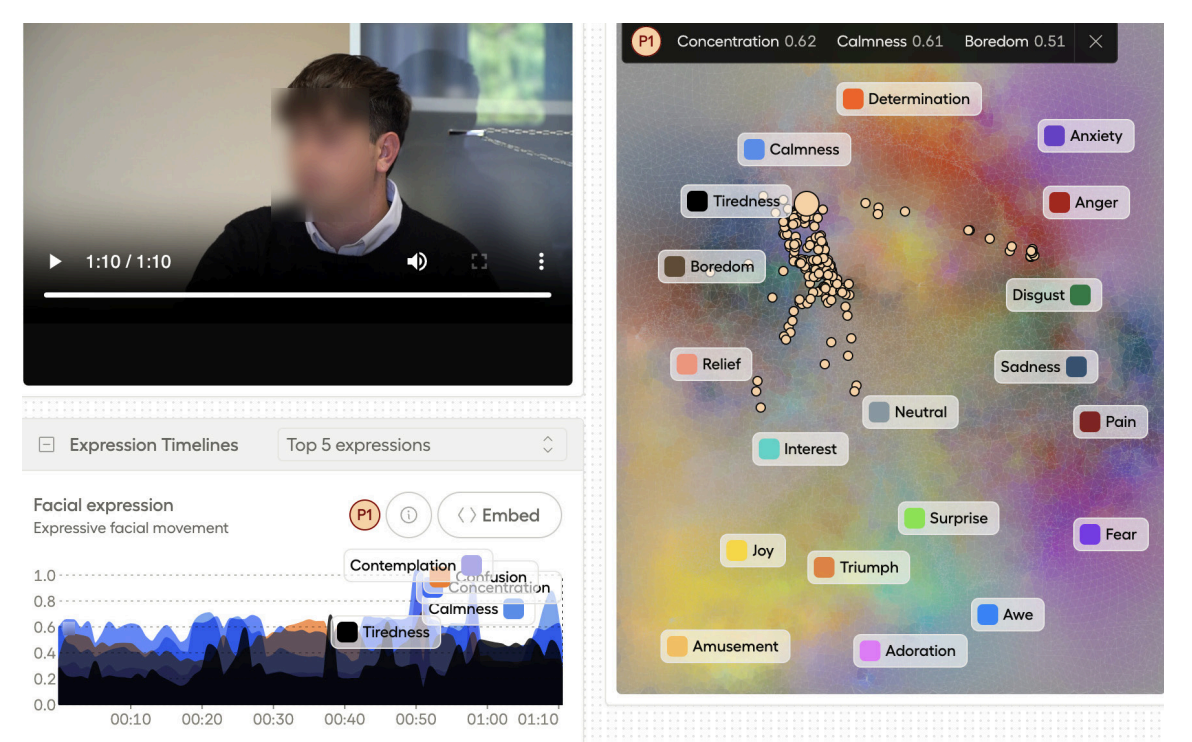
Emerging research is exploring how emotion recognition AI can monitor crew stress levels during challenging sailing conditions. These systems analyze facial expressions, voice patterns, and even biometric data to identify when fatigue or stress might be affecting decision-making or safety.
For long voyages, these technologies could help prevent accidents by suggesting rest periods or crew rotations when signs of fatigue are detected, making extended journeys safer for everyone on board.
The Future: Autonomous Sailing
While fully autonomous recreational vessels are still on the horizon, semi-autonomous features are already becoming available. Automatic docking assistance, self-adjusting trim controls, and intelligent autopilot systems that adapt to changing conditions represent the first steps toward more independent sailing experiences.
For novice sailors, these technologies lower the barrier to entry, making recreational boating more accessible by handling complex maneuvers that might otherwise require years of experience.
Conclusion
As AI technologies continue to mature, recreational boating stands to benefit tremendously. These innovations promise not just convenience, but fundamentally safer and more enjoyable experiences on the water. Whether you’re a weekend sailor or a seasoned yachtsman, the intelligent vessels of tomorrow will enhance your connection with the sea while reducing the stress and uncertainty that sometimes accompanies maritime adventures.
The sailing experience that has remained largely unchanged for centuries is now entering a new era of intelligent assistance—one where technology doesn’t replace the art of sailing, but rather enhances our ability to enjoy it safely and confidently.
Leave a Reply